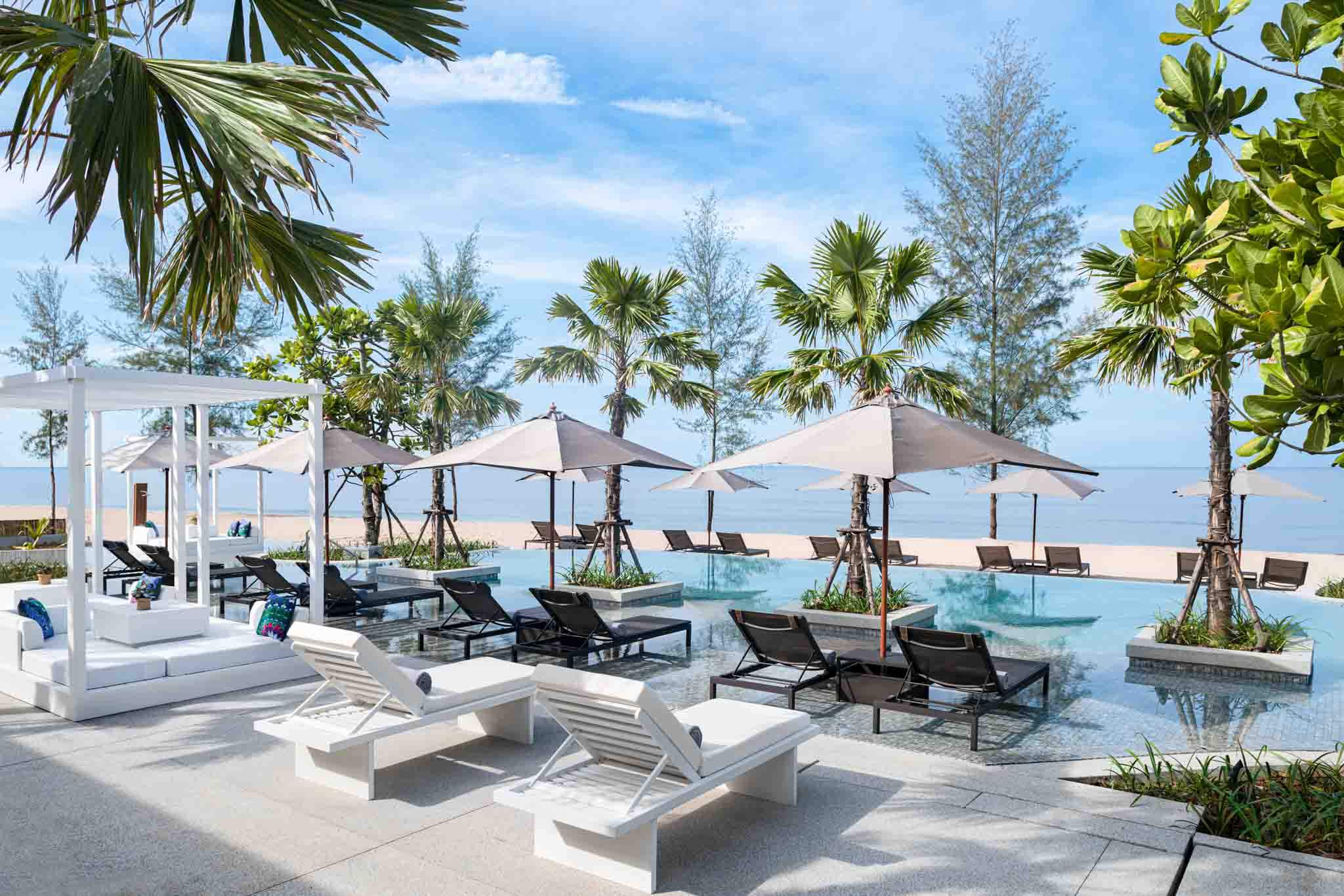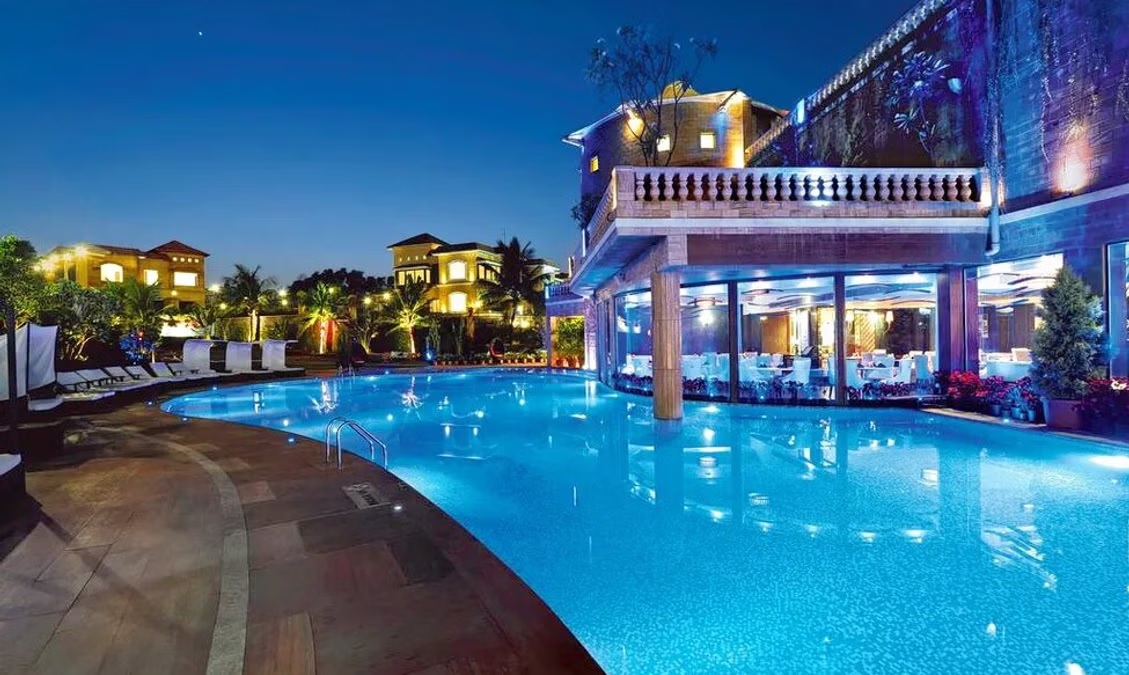


For decades, the centerpiece of the classic resort getaway was simple: a sparkling swimming pool ringed by lounge chairs, accompanied by an umbrella drink and a clear sky. While a pristine aquatic retreat remains an appealing asset, modern travelers increasingly expect more from their luxury stays. Today, travelers seek immersion, personal enrichment, holistic rejuvenation, and memorable stories to carry home.
A truly exceptional resort no longer defines itself solely by marble bathrooms, thread counts, or infinity edges. Instead, it distinguishes itself through thoughtfully designed experiences that connect guests to the surrounding environment, celebrate indigenous culture, foster physical wellness, and deliver meaningful hospitality. When exploring what elevates a good property into a world-class destination, several core pillars emerge that extend far beyond poolside lounging.
Immersive Cultural Engagement and Local Heritage
The most memorable resorts serve as authentic portals to their destinations rather than isolated bubbles. Discerning guests want to feel a sense of place, often referred to in architecture and hospitality as genius loci. Top-tier properties integrate regional heritage directly into their daily programming, allowing visitors to engage with local traditions in respectful, hands-on ways.
-
Artisan Workshops: Leading properties invite local craftsmen, weavers, painters, and ceramicists to host intimate masterclasses for guests, preserving traditional art forms while offering tangible keepsakes.
-
Architectural Storytelling: Guided historical tours led by resident historians reveal the cultural significance of the property’s design, ancestral building techniques, and regional landmarks.
-
Music and Performing Arts: Rather than generic lounge music, premier resorts curate performances by local musicians, traditional dancers, and regional storytellers under open night skies.
-
Community-Led Excursions: Off-site excursions organized directly with nearby villages or neighborhood cooperatives give travelers a grounded, unfiltered look at day-to-day local life.
By treating culture as an essential pillar rather than decorative window dressing, resorts provide guests with a profound connection to the land and the people who call it home.
Destination-Driven Gastronomy and Culinary Discovery
Dining at a luxury resort has evolved far past standard continental buffets and predictable steakhouse menus. Exceptional properties recognize that food is one of the most direct avenues to cultural understanding and sensory delight. They treat their culinary programs as educational, sensory journeys that honor seasonal agriculture and local producers.
-
Hyper-Local Foraging and Farming: Many premier resorts operate on-site organic farms, apiaries, and orchards. Guests can walk the fields alongside the executive chef, harvesting heritage vegetables and herbs that will appear on their dinner plates just hours later.
-
Regional Cooking Academies: Interactive cooking classes go beyond basic recipe cards. Guests visit lively morning fish and spice markets with culinary staff, learning the complex flavor profiles, ancestral techniques, and historical origins of regional cuisine.
-
Private Dining Architecture: World-class resorts design unique dining settings that integrate the landscape, such as candlelit dinners in ancient wine cellars, secluded meals on volcanic sea cliffs, or setups high in rainforest canopies.
-
Indigenous Beverage Programs: Tasting experiences explore regional spirits, biodynamic local wines, and zero-proof elixirs brewed with wild-harvested botanicals, led by certified sommeliers and master herbalists.
These culinary touchpoints turn dining from a daily necessity into a defining narrative of the travel experience.
Transformative Wellness and Restorative Health
The definition of resort wellness has expanded significantly beyond standard swedish massages and generic hotel gyms. Today’s travelers view vacations as opportunities for physical restoration, mental clarity, and habit resetting. The finest wellness programs blend modern medical science with time-tested holistic traditions.
-
Circadian and Sleep Optimization: Advanced properties provide personalized sleep programs featuring biological lighting systems, sound therapy, curated herbal teas, and temperature-controlled bedding designed to restore natural sleep cycles.
-
Traditional Healing Modalities: Spas increasingly incorporate ancestral therapies, such as Ayurvedic assessments, traditional Chinese herbal medicine, Nordic thermal cycling, or indigenous steam rituals supervised by respected cultural practitioners.
-
Nature-Based Mental Restoration: Programs like Japanese forest bathing (shinrin-yoku), guided meditation at scenic sunrise vistas, and outdoor sensory trails encourage mindfulness and lower cortisol levels.
-
Diagnostic Movement Programs: State-of-the-art fitness hubs offer biomechanical movement screenings, breathwork clinics, and functional movement training tailored to an individual’s physical history and goals.
By addressing mind, body, and spirit in equal measure, these properties ensure that guests return home feeling genuinely renewed rather than simply rested.
Active Eco-Adventures and Environmental Stewardship
As global environmental awareness grows, high-end travelers are seeking resorts that actively protect their ecosystems while offering unscripted adventures in nature. Experiencing the outdoors is no longer just about passive sightseeing; it centers on active engagement and ecological education.
-
Hands-On Conservation Projects: Visionary resorts allow guests to participate in real-world conservation efforts, such as planting nursery-grown coral fragments onto damaged reefs, tracking endangered wildlife with conservation biologists, or planting native trees.
-
Low-Impact Wilderness Exploration: Expert naturalists lead low-impact adventures like sea kayaking through untouched mangrove forests, alpine wildlife tracking, or guided nocturnal walks to observe native desert fauna.
-
Dark Sky Stargazing: Located far from urban light pollution, properties in remote valleys and deserts install professional telescopes and employ resident astronomers to guide guests through constellations, planets, and celestial history.
-
Educational Marine Centers: On-site research facilities provide interactive educational labs for guests of all ages, transforming ordinary snorkeling trips into meaningful scientific expeditions.
These outdoor initiatives satisfy the human desire for adventure while instilling a deep respect for fragile global ecosystems.
Thoughtful Architecture and Seamless Environmental Harmony
A property’s physical footprint speaks volumes about its respect for the landscape. Great resorts abandon ostentatious, misplaced structures in favor of biophilic architecture, where interior and exterior spaces blur together naturally.
-
Locally Sourced Materials: Buildings constructed from regional stone, sustainable timber, and local clay blend into the topography, minimizing visual and ecological disruption.
-
Natural Climate Management: Thoughtfully engineered ventilation, shaded courtyards, and green roofs cool properties naturally while reducing dependency on artificial temperature control.
-
Private Outdoor Sanctuaries: Private plunge pools nestled in private gardens, open-air garden showers, and daybeds framed by wild flora allow guests to experience nature without sacrificing luxury.
-
Preserved Natural Features: Instead of clearing terrain, forward-thinking builders design around ancient trees, natural rock formations, and natural waterways, treating them as central design features.
When the built environment honors its surrounding terrain, guests feel an instant, intuitive sense of tranquility the moment they step onto the grounds.
Frequently Asked Questions
What questions should travelers ask when evaluating a resort’s cultural authenticity?
Look into whether the resort employs local guides, supports area artisan cooperatives, and features regionally sourced ingredients on its menus. You can also review their event calendar to see if workshops and lectures are led by native cultural experts rather than temporary commercial entertainment staff.
How can I determine if a resort’s wellness program offers genuine health benefits?
Check if the property employs licensed specialists, such as certified nutritionists, physical therapists, or recognized traditional medicine doctors, rather than relying solely on standard spa packages. Robust wellness properties typically publish detailed itineraries for their retreats, outlining diagnostic assessments, lifestyle consultations, and structured therapies.
Are high-end experiential resorts suitable for families with young children?
Yes, many top-tier properties design children’s programming around nature discovery, hands-on cooking, local wildlife education, and traditional arts rather than passive video game rooms. These programs engage younger guests with the destination in fun, age-appropriate ways.
What is the difference between an all-inclusive property and an experiential luxury resort?
Standard all-inclusive properties typically bundle basic accommodations, buffet meals, and generic poolside entertainment into a single price. In contrast, experiential luxury resorts emphasize curated small-group excursions, personalized wellness regimes, chef-driven hyper-local dining, and deeply tailored itineraries designed around guest interests.
How do remote luxury resorts balance upscale amenities with environmental sustainability?
Leading eco-luxury resorts utilize on-site renewable power grids, advanced water recycling systems, strict single-use plastic bans, and farm-to-table supply chains. They design operations to leave a minimal ecological footprint while maintaining high standards of comfort and service.
Why is biophilic design so important in modern resort architecture?
Biophilic design incorporates natural light, native vegetation, natural airflow, and organic materials into living spaces. Research shows that this architectural approach lowers stress, improves mood, and enhances overall well-being, helping guests unwind more deeply during their stay.