
For generations, traditional camping carried a reputation for deliberate hardship. Enthusiasts treated sleeping on hard ground, enduring damp sleeping bags, and subsisting on freeze-dried rations as mandatory badges of outdoor honor. Today, that austere philosophy has evolved into a balanced lifestyle. Modern outdoor recreation proves that immersing yourself in the wilderness does not require sacrificing physical comfort or personal well-being.
The ultimate camping experience occurs at the intersection of rugged exploration and thoughtful preparation. Advancements in materials science, portable power solutions, modular gear design, and camp culinary tools allow adventurers to push deeper into nature while enjoying restorative sleep, gourmet meals, and reliable safety systems. Striking this balance transforms an exhausting weekend into an invigorating, sustainable retreat.
Rethinking the Foundation: Selecting the Right Shelter Architecture
Your shelter functions as your base camp, your primary defense against volatile weather, and your private sanctuary after miles of backcountry travel. Upgrading your shelter system represents the single most important step toward comfortable outdoor living.
Modern campers can choose from several structural configurations based on their preferred travel style:
-
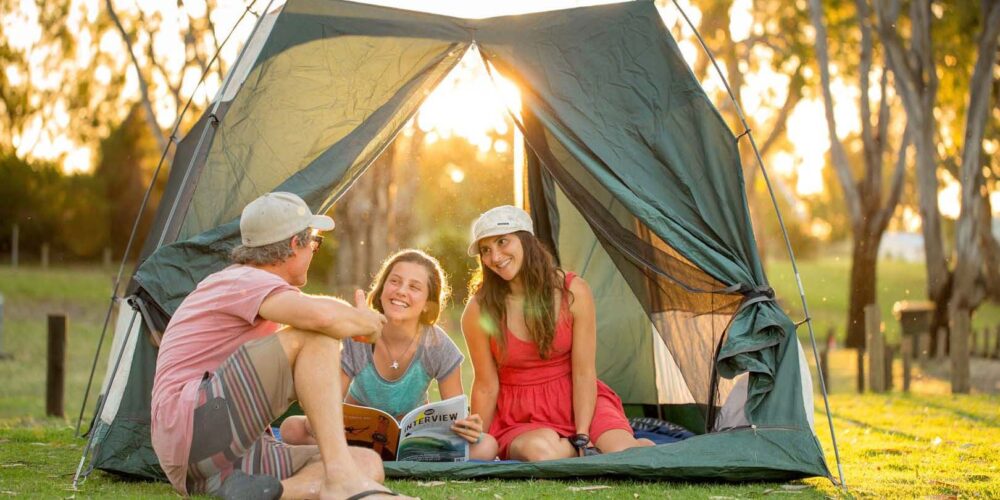
Spacious Cabin and Dome Tents: For vehicle-supported camping, oversized multi-room tents provide vertical sidewalls and full standing height. Look for durable ripstop polyester flysheets with high hydrostatic head ratings and aluminum poles that withstand unexpected wind gusts.
-
Vehicle-Mounted Rooftop Tents: Built with heavy-duty poly-cotton canvas and integrated high-density foam mattresses, rooftop systems deploy in minutes, keep campers elevated off rocky or damp terrain, and maintain superior thermal insulation.
-
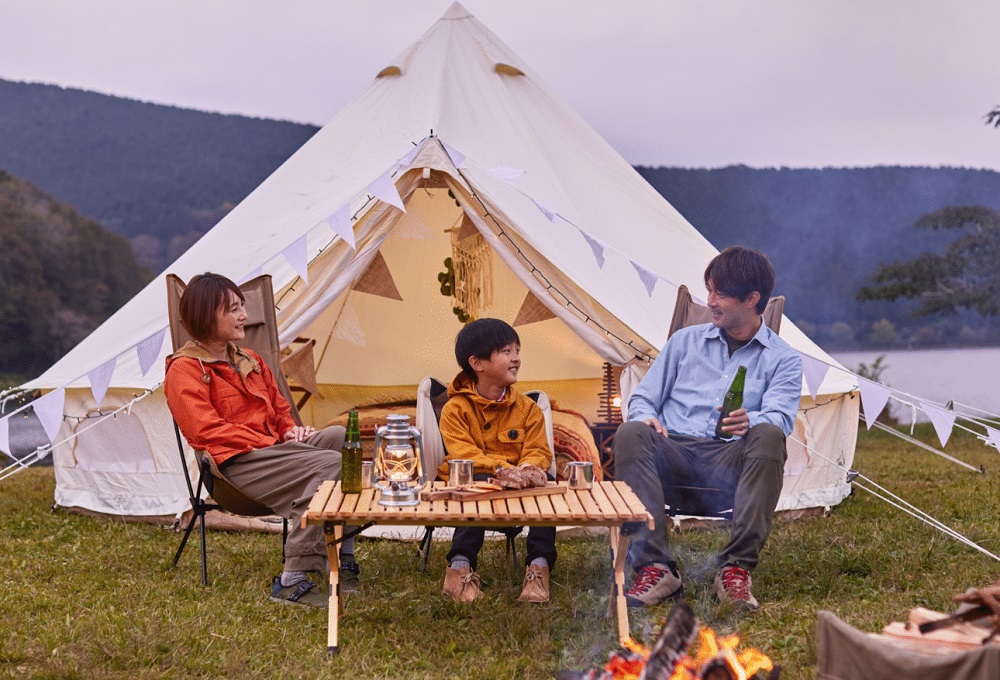
Canvas Bell Tents and Yurts: Best suited for base camps and multi-day stays, breathable cotton canvas balances internal humidity, stays cool under direct sunlight, and accommodates wood-burning camp stoves for cold-weather adventures.
Selecting a tent with generous vestibule space keeps wet boots, muddy packs, and bulky storage containers out of the main sleeping area, preserving a clean and relaxing interior environment.
The Science of Restorative Sleep Outdoors
A poor night of sleep ruins even the most breathtaking wilderness excursion. Creating a comfortable outdoor bed requires understanding thermal dynamics, cushioning, and moisture management. The ground absorbs body heat through conduction far faster than the surrounding air, making your bottom insulation just as critical as your top quilt.
Achieving premium sleep quality in the wild relies on several key components:
-
High R-Value Sleep Pads: Look for sleeping mats featuring an insulation R-value of 4.0 or higher. Self-inflating open-cell foam pads and insulated air mattresses create a reliable thermal barrier against cold soil.
-
Camp Cots and Raised Platforms: Elevating your sleeping surface off the ground eliminates contact with uneven roots, improves airflow during hot summer nights, and creates under-bed storage space inside large tents.
-
Modular Sleep Systems and Down Quilts: Rather than restricting yourself within a tight mummy bag, choose wide rectangular sleeping bags or lightweight down quilts combined with soft fitted sheet covers designed specifically for outdoor pads.
-
Ergonomic Camp Pillows: Inflatable pillows with memory foam toppers provide anatomical neck support without taking up excessive pack space.
Investing in an insulated, supportive sleep system ensures you wake up without back stiffness, fully recharged for the day’s hikes and activities.
Camp Kitchen Evolution: Gourmet Cooking in the Wild
The days of relying solely on sodium-heavy dehydrated packets or burnt hot dogs over an open flame are over. With modern portable stoves, reliable coolers, and compact prep stations, camp cooking has become one of the most rewarding parts of the entire journey.
A fully equipped outdoor culinary setup should incorporate:
-
Dual-Burner Propane Stoves: Multi-burner systems with precise flame control allow you to simmer sauces, boil pasta, and fry proteins simultaneously, mirroring the flexibility of a residential range.
-
Rotomolded High-Performance Coolers: Heavy-duty insulated coolers packed with block ice keep fresh produce, dairy, and marinated meats at safe food-storage temperatures for up to a week.
-
Cast Iron and Hard-Anodized Cookware: A seasoned cast-iron skillet retains heat evenly across campfire coals, while lightweight nesting pots with non-stick coatings make boiling and simmering effortless.
-
Dedicated Camp Kitchen Chuck Boxes: Organizing spices, utensils, cutting boards, cooking oils, and biodegradable cleaning supplies into a single modular storage crate streamlines meal preparation and eliminates mealtime clutter.
Pre-chopping vegetables, marinating meats, and pre-mixing dry ingredient blends at home reduces campsite prep time, allowing you to create rich, satisfying dishes with minimal effort.
Power Management and Modern Environmental Controls
Integrating portable power into your camp setup does not mean remaining glued to corporate emails or streaming video services. Instead, smart power management enhances safety, extends off-grid stays, and powers devices that elevate campsite comfort.
Key technological systems for a self-sufficient camp include:
-
Portable Lithium Power Stations: Compact, quiet battery generators charge headlamps, run electric air pumps, power heated blankets, and keep portable refrigerators humming without the noise and exhaust of gas generators.
-
Foldable Solar Panel Arrays: Monocrystalline solar panels convert daylight into clean energy, replenishing power stations during extended stays without requiring vehicle idling.
-
Rechargeable Ambient LED Lighting: Warm-temperature string lights, dimmable lanterns, and diffused area floodlights create an inviting ambiance around camp without the harsh glare of direct spotlights.
-
Portable Evaporative Coolers and Radiant Heaters: Enclosed propane heaters with automatic tip-over shutoff sensors provide safe warmth inside well-ventilated shelters, while compact misting fans provide relief in arid desert heat.
Managing your power efficiently keeps navigation gear operational, cameras charged, and camp facilities running smoothly throughout your entire journey.
Designing a Functional Campsite Layout
Campsite comfort depends heavily on how you organize your physical surroundings. A haphazard camp setup leads to tripping hazards, pest issues, and operational friction. Establishing distinct operational zones transforms a plot of wilderness into an intuitive, functional outdoor home.
Strategic campsite design revolves around several spatial zones:
-
Sleeping Sanctuary: Position tents on flat, well-drained ground upwind from the campfire, avoiding low depressions where cold air pools or rainwater collects during storms.
-
Culinary and Dining Hub: Place cooking stations and food storage at a safe distance from sleeping quarters, particularly in regions inhabited by bears or curious wildlife. Ensure your prep table sits on stable, level terrain.
-
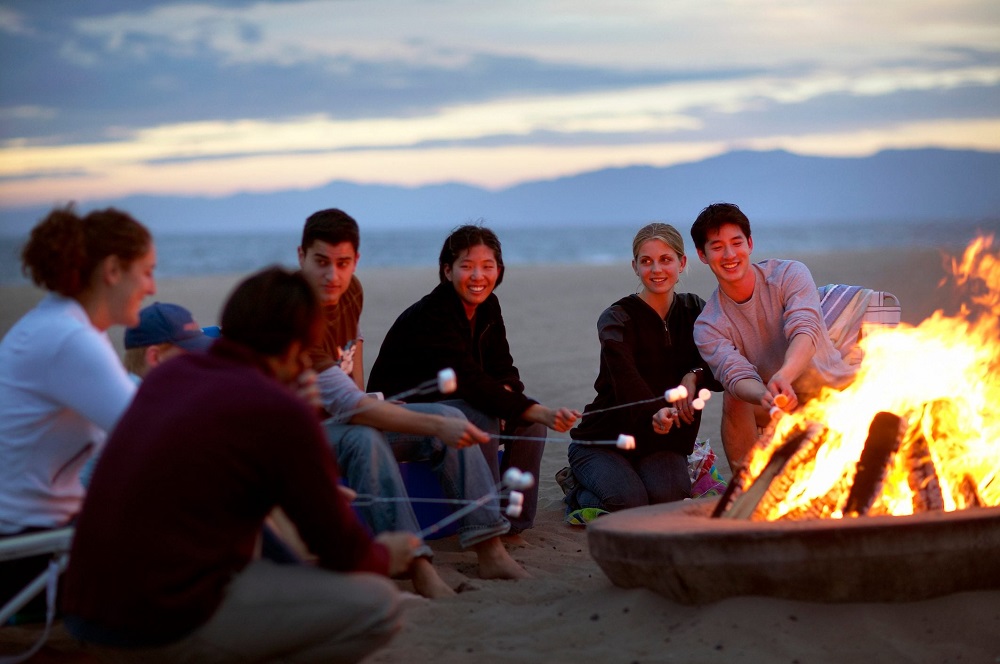
Relaxation and Social Circle: Arrange ergonomic camp chairs around a contained fire ring, positioning the seating area to account for prevailing wind patterns so smoke drifts away from the group.
-
Hygiene and Sanitation Station: Set up a dedicated handwashing station equipped with biodegradable soap, paper towels, and a washbasin near both the kitchen and the perimeter trail to maintain high hygiene standards.
Maintaining clean, defined boundaries between these spaces ensures your base camp remains organized, safe, and relaxing throughout your stay.
Sustainable Practices for Responsible Comfort
True outdoor comfort includes maintaining peace of mind through ethical outdoor stewardship. Embracing luxurious amenities should never come at the expense of fragile ecosystems or the enjoyment of neighboring campers.
Essential low-impact principles to practice include:
-
Packing out all trash, food scraps, micro-waste, and packaging materials to leave zero footprint.
-
Using established campsites and durable surfaces rather than creating new clearings or trampling sensitive vegetation.
-
Burning only locally purchased, sustainably harvested firewood to prevent the spread of invasive forest pests.
-
Respecting wildlife by securing all scent-bearing items, trash, and toiletries in locked vehicles or certified animal-resistant containers.
-
Observing quiet hours to preserve the natural soundscape, allowing everyone in the area to enjoy the tranquility of nature.
Prioritizing environmental ethics ensures that our shared public lands and wilderness areas remain vibrant, healthy, and accessible for future generations of outdoor enthusiasts.
Frequently Asked Questions
How do I keep personal electronics and power stations safe during damp weather?
Store battery banks, power stations, and sensitive electronics inside heavy-duty waterproof storage cases or dry bags lined with moisture-absorbing silica gel packs. When operating power stations outside, keep them elevated on plastic crates under a waterproof canopy rather than directly on the damp ground, and never plug in AC charging cables while surfaces are exposed to direct rainfall.
What is the most effective way to manage personal hygiene on multi-day trips without shower facilities?
Combine several lightweight sanitation tools: pack rinse-free cleansing body wipes for daily sponge baths, use a compact foot pump-pressurized solar shower bladder filled with warm water, and set up a pop-up privacy shelter for changing and bathing. Always use biodegradable, fragrance-free soaps, and ensure all wash water is disposed of at least two hundred feet away from natural water sources.
How do I prevent condensation from accumulating inside my tent overnight?
Condensation occurs when warm, moist air from human respiration and sweat meets the cold fabric of the tent walls. Prevent moisture buildup by keeping upper mesh vents, rainfly guy-outs, and vestibule flaps partially cracked to encourage continuous cross-ventilation, even during cold temperatures. Avoid cooking or boiling water inside the tent body, and store damp clothing outside in a vestibule or sealed gear bin.
What are the best strategies for managing biting insects around a luxury campsite?
Create a layered defense perimeter: deploy spatial mosquito repellers that heat allethrin-based repellent mats around the central dining table, use fine mesh screen houses over picnic areas, apply picaridin or oil of lemon eucalyptus sprays to exposed skin, and treat outer camping clothing with permethrin prior to the trip. Keep tent mesh zippers closed at all times, especially when entering and exiting after sunset.
How can I make camping with young children comfortable and stress-free?
Focus on familiar sleep routines and simple camp logistics: bring oversized double sleeping pads so young kids can sleep beside parents, pack familiar bedding, blankets, and pillows from home, and maintain a dedicated, easy-to-reach snack bin. Plan simple one-pot meals, establish clear campsite safety boundaries before unloading gear, and include a child-sized camp chair to help them feel included in group gatherings.
How do I choose between a hardshell and softshell rooftop tent?
Hardshell rooftop tents feature aerodynamic fiberglass or aluminum clamshell designs that deploy and pack away in under two minutes, offer superior wind resistance, and often allow gear mounting on top, making them ideal for frequent, multi-stop overland travel. Softshell rooftop tents fold open like a book, providing double the sleeping footprint and extensive covered annex space, which works best for larger families staying at a single campsite for multiple days.