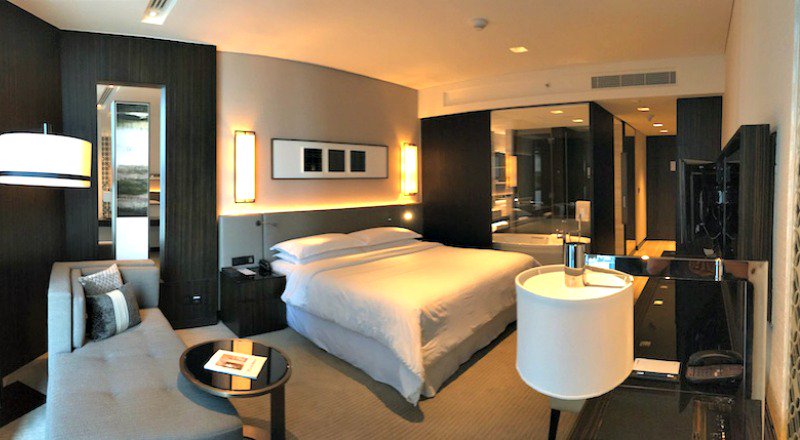

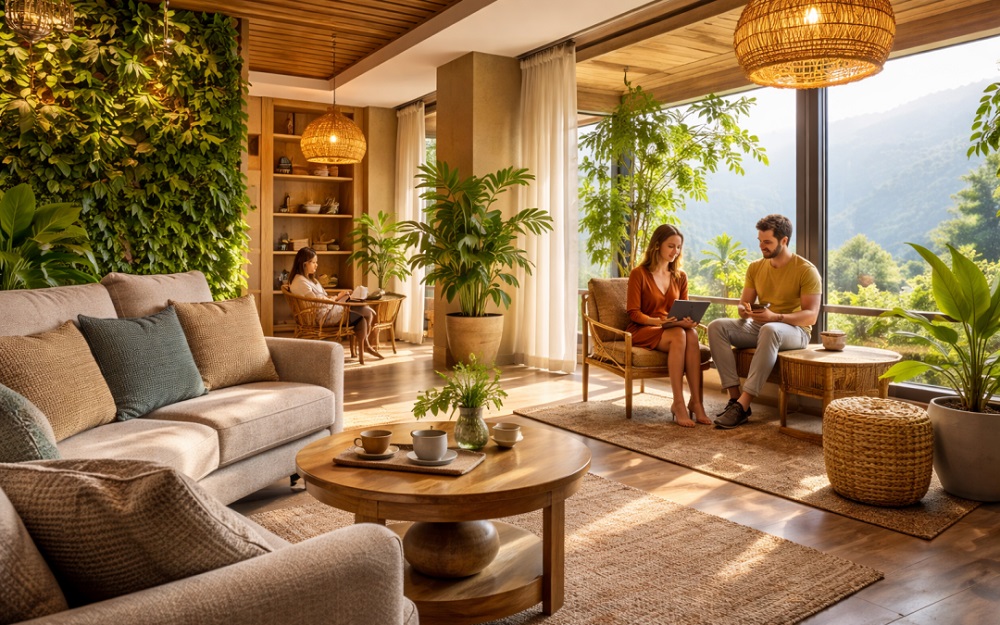
The global hospitality sector is navigating a major structural shift driven by technological innovation, evolving work patterns, and changing traveler priorities. For decades, the accommodation experience followed a predictable, standardized formula: a transactional check-in desk, uniform guest rooms, basic amenities, and rigid checkout schedules. Today, that conventional model is being replaced by flexible, intelligent, and deeply experiential lodging environments.
Modern travelers no longer view a hotel, resort, or rental property merely as a place to sleep between sightseeing tours or corporate meetings. Instead, accommodations have become central to the entire journey. Guests seek destinations that offer high-speed digital connectivity alongside authentic local immersion, seamless automation, and genuine commitments to environmental stewardship. As consumer expectations expand, property operators and lodging brands are fundamentally redesigning the guest experience.
The Transformation Toward Smart and Hyper-Personalized Hotels
Automation and artificial intelligence are revolutionizing how properties interact with guests, streamlining administrative steps while delivering unprecedented levels of personalization. From pre-arrival planning to post-departure follow-ups, smart technology allows hospitality providers to anticipate needs before a request is even made.
Travelers now expect friction-free logistics. The standard front desk line is rapidly disappearing, replaced by mobile keyless entry, facial recognition kiosks, and automated digital check-in systems that allow guests to proceed directly to their rooms upon arrival.
Key technological advancements reshaping guest stays include:
-
Predictive In-Room Environments: Connected smart rooms adjust lighting, ambient temperature, and motorized window shades based on guest preferences logged during previous stays.
-
Conversational AI Concierges: Virtual assistants answer guest questions, place dining orders, coordinate room housekeeping, and curate personalized neighborhood itineraries in real time.
-
Biometric Authentication: Streamlined security protocols allow visitors to access elevator banks, spa facilities, executive lounges, and private rooms using encrypted digital identifiers on personal devices.
This transition to smart automation does not eliminate human hospitality. Rather, it strips away repetitive administrative tasks, freeing staff to deliver higher-value, personalized service when direct human interaction is most meaningful.
Eco-Centric Architecture and Regenerative Stays
Environmental awareness has evolved from a niche marketing angle into a core booking criterion. Today’s travelers actively scrutinize property operations, demanding transparent, verifiable sustainability practices rather than superficial claims. In response, the accommodation industry is moving past basic conservation measures toward regenerative hospitality that actively restores local environments and supports surrounding communities.
Modern properties are integrating ecological principles into structural design and daily operating procedures:
-
Net-Zero Building Standards: Utilizing localized geothermal energy, advanced solar arrays, green roof vegetation, and passive architectural ventilation to reduce energy consumption.
-
Closed-Loop Waste and Water Systems: Eliminating single-use items, recycling greywater for landscaping, and using on-site biodigesters to turn food waste into nutrient-rich compost.
-
Hyper-Localized Supply Chains: Sourcing restaurant produce, custom furniture, bathroom amenities, and artwork exclusively from regional farms and independent neighborhood artisans.
Accommodations that champion measurable ecological responsibility build strong loyalty among travelers who view their lodging choices as a direct extension of their personal values.
Blended Travel and the Rise of Flex-Living Accommodations
The widespread normalization of remote and hybrid employment models has permanently altered traditional travel cadences. The boundary between corporate business travel and personal vacations has blurred, giving rise to blended travel, often called bleisure or flex-living.
Professionals frequently extend midweek business trips into weekend getaways, while digital nomads book multi-week stays that combine full-time work hours with destination exploration. Accommodations are adapting their physical layouts and booking frameworks to serve this growing demographic.
Properties are integrating specialized features to accommodate long-term, work-enabled stays:
-
Ergonomic In-Room Workstations: Equipping guest rooms with adjustable standing desks, premium seating, monitor docks, and multi-gigabit enterprise Wi-Fi networks.
-
On-Site Coworking Facilities: Building collaborative communal lounges, soundproof private video-calling booths, and modular conference rooms within hotel properties.
-
Flexible Booking and Extended-Stay Pricing: Offering tiered weekly and monthly rates alongside modular housekeeping schedules that cater to mid-term residents.
By catering to guests who work while exploring, lodging providers increase average lengths of stay and maintain higher occupancy levels throughout standard off-peak periods.
Holistic Wellness and Restorative Escapes
Travel has become a primary avenue for physical recovery, mental decompression, and personal rejuvenation. Modern guests look for accommodations that support healthy daily routines rather than disrupt them. The concept of hotel wellness has moved far beyond a basement fitness room with a few treadmills.
Properties now design entire environments around restorative living, circadian health, and wellness therapies:
-
Circadian Lighting and Sleep Optimization: Outfitting suites with soundproofing technology, dynamic color-shifting lights that regulate melatonin production, temperature-regulated smart mattresses, and curated pillow menus.
-
Integrated In-Room Fitness: Providing on-demand digital fitness classes, yoga equipment, resistance bands, and recovery tools directly inside private accommodations.
-
Functional Food and Beverage Offerings: Curating restaurant and room-service menus focused on adaptogenic beverages, gut health, organic local ingredients, and dietary customizations.
-
Dedicated Recovery Facilities: Incorporating cold plunge pools, infrared saunas, sensory deprivation tanks, and red-light therapy suites into on-property wellness centers.
Accommodations that prioritize rest, recovery, and holistic health transform standard overnight trips into revitalizing personal retreats.
Immersive Cultural Connection and Hyper-Local Design
Uniform, cookie-cutter hotel rooms are losing appeal as travelers seek authentic cultural identity. Guests want their accommodations to reflect the history, architecture, culinary traditions, and creative spirit of the surrounding destination.
Boutique hotels and global lifestyle brands are responding by partnering directly with local communities to design distinct, location-specific spaces:
-
Regionally Rooted Architecture: Constructing properties using indigenous building techniques, local stone, timber, and traditional craftsmanship that celebrate regional heritage.
-
Curated Neighborhood Partnerships: Offering guests access to private culinary workshops, historical neighborhood tours led by residents, and creative masterclasses with local makers.
-
Public-Facing Cultural Hubs: Transforming hotel lobbies, courtyards, and rooftop terraces into vibrant gathering spots where travelers interact naturally with neighborhood locals during art exhibitions, live performances, and pop-up markets.
Infusing local character into every corner of the property ensures that the accommodation serves as an active gateway to the destination rather than a detached enclave.
Navigating the Next Era of Hospitality
The accommodation sector is experiencing a transformative evolution characterized by greater flexibility, environmental accountability, technological convenience, and cultural depth. Lodging providers that invest in smart operations, restorative wellness, adaptable living spaces, and genuine local storytelling will continue to lead the market. For travelers, these emerging trends promise stays that are richer, more seamless, and more connected to the world around them.
Frequently Asked Questions
What constitutes a smart hotel room in modern accommodations?
A smart hotel room uses interconnected Internet of Things devices and central management platforms to automate and personalize the guest environment. This includes mobile key access, voice-activated controls, customized circadian lighting, automated climate settings, and direct digital messaging for on-demand guest services.
How do modern properties prevent sustainability efforts from feeling like greenwashing?
Credible properties earn independent third-party environmental certifications, publish verified sustainability metrics, use renewable on-site energy, eliminate single-use plastics, and integrate regional sourcing across all operations rather than relying solely on simple towel reuse reminders.
What is the difference between a traditional extended-stay hotel and a modern flex-living property?
Traditional extended-stay hotels generally provide basic kitchenettes for long-term corporate relocations or budget travel. Modern flex-living accommodations combine high-design residential apartments with boutique hotel hospitality, enterprise-grade coworking spaces, wellness amenities, and curated community events suited for hybrid professionals and digital nomads.
How are boutique and independent hotels competing against major international lodging chains?
Independent boutique hotels stand out by delivering hyper-personalized service, distinctive architectural designs, deep community ties, and specialized cultural experiences that large, standardized international brands often struggle to replicate.
Will full digital automation eliminate the role of traditional hotel staff?
Automation takes over repetitive administrative tasks like checking identification, processing payments, and issuing room keys. This allows on-site staff to transition away from routine desk duties and focus their time on concierge curation, personalized guest relations, and high-touch hospitality services.
What sleep-focused amenities are properties introducing to improve guest rest?
Hotels are investing in specialized sleep features including active sound masking, blackout acoustic drapery, adjustable firmness mattresses, dynamic temperature-cooling bed linens, sleep tracking apps, and curated in-room herbal sleep amenities.
How does hyper-local design benefit both travelers and host destinations?
Hyper-local design offers travelers an authentic sense of place while keeping economic benefits within the host community by employing local builders, purchasing goods from neighborhood craftsmen, and supporting regional food producers and artists.