
Camping is one of the most rewarding outdoor activities, offering an escape from the urban hustle and an opportunity to connect with nature. Whether you are a beginner or an experienced camper, understanding the essentials, planning your trips, and knowing the best practices can elevate your camping experience. This comprehensive guide explores all aspects of camping, from gear and safety tips to campsite selection and activity ideas.
The Importance of Camping
Camping is more than just sleeping in a tent. It offers numerous physical, mental, and social benefits:
- Connection with Nature: Spending time in natural settings reduces stress and promotes mindfulness.
- Physical Activity: Hiking, setting up tents, and exploring trails provide exercise and promote overall fitness.
- Social Bonding: Camping with friends or family strengthens relationships through shared experiences.
- Skill Development: Camping teaches practical skills such as navigation, cooking, and first aid.
- Environmental Awareness: Being in nature fosters a deeper appreciation for ecosystems and encourages sustainable practices.
Types of Camping Experiences
Camping comes in various forms, each offering a distinct experience:
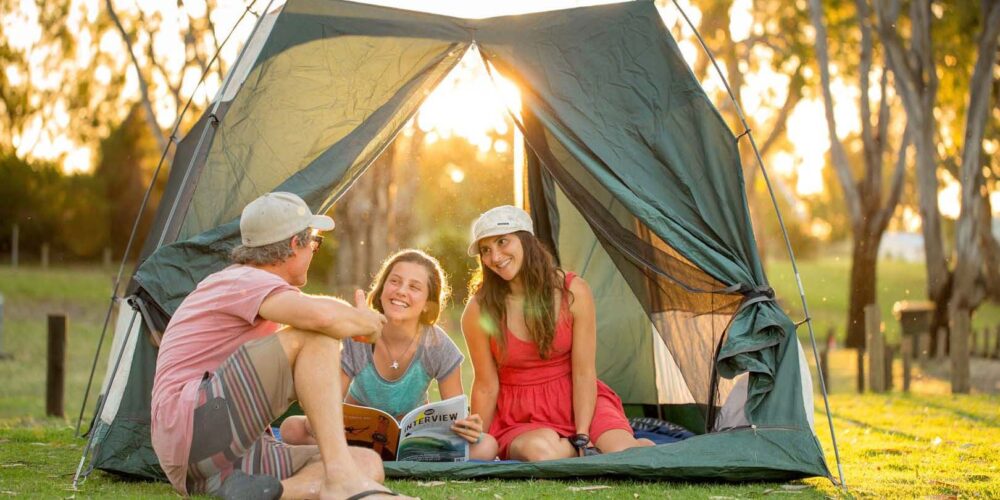
- Tent Camping: The most traditional form, involving setting up a tent at a designated campsite or in the wilderness.
- RV and Car Camping: Traveling in a recreational vehicle allows more comfort while staying close to nature.
- Backpacking Camping: Carrying all essentials in a backpack for multi-day hikes and remote locations.
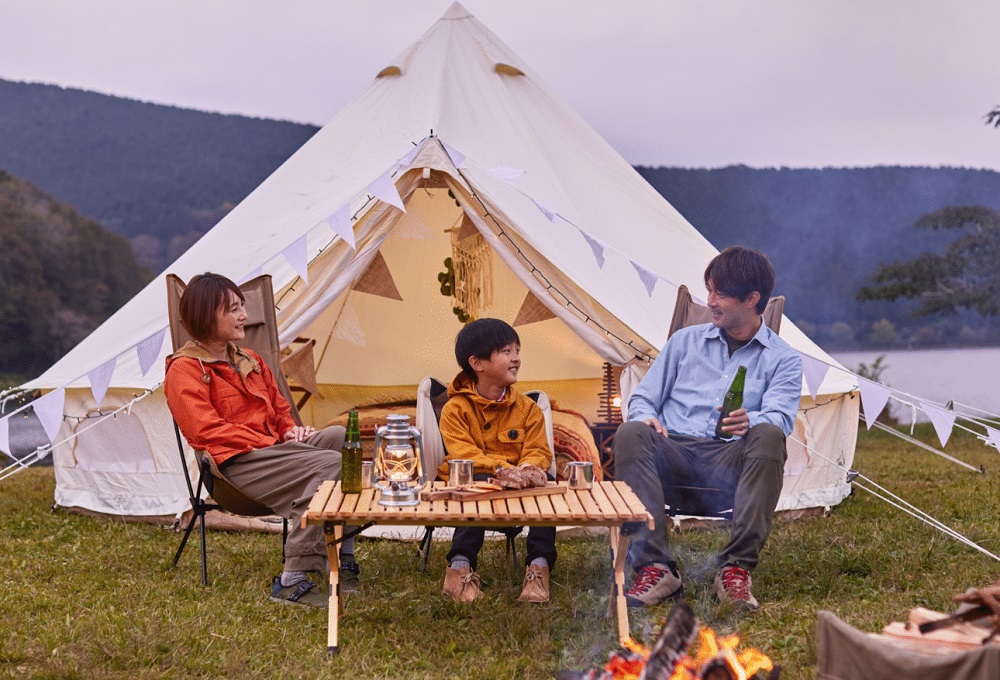
- Glamping: A luxurious take on camping with pre-set accommodations like cabins, yurts, or safari tents.
- Survival Camping: Focuses on minimal equipment and self-reliance, often practiced in remote wilderness areas.
Essential Camping Gear
Having the right gear is crucial for a safe and enjoyable camping experience. Some of the must-have items include:
- Tent: Choose a tent suitable for the weather conditions and group size. Ensure it is waterproof and durable.
- Sleeping Bag and Pad: Opt for insulated sleeping bags appropriate for the climate, and use pads for comfort and insulation.
- Cooking Equipment: Portable stoves, cookware, and utensils are essential for meal preparation.
- Lighting: Headlamps, lanterns, or flashlights provide illumination during nighttime.
- Clothing: Layered clothing, waterproof jackets, and sturdy footwear are necessary for variable weather conditions.
- First Aid Kit: Include bandages, antiseptics, medications, and emergency supplies.
- Navigation Tools: Maps, compasses, and GPS devices help ensure you stay on track.
- Water and Food Storage: Hydration systems, water filters, and airtight containers preserve supplies safely.
Planning Your Camping Trip
Successful camping trips require careful planning. Consider the following steps:
- Select a Campsite: Research local campgrounds, national parks, or wilderness areas. Check regulations, availability, and amenities.
- Check Weather Conditions: Monitor weather forecasts to prepare for rain, heat, or cold. Adjust gear and clothing accordingly.
- Plan Activities: Include hiking, fishing, bird watching, or stargazing to make your trip engaging.
- Inform Someone of Your Plans: Share your itinerary with a friend or family member for safety.
- Pack Wisely: Prepare a checklist to ensure you don’t forget essential items. Focus on compact and multi-purpose gear for efficiency.
Camping Safety Tips
Safety is paramount in camping. Following proper practices can prevent accidents and emergencies:
- Wildlife Awareness: Understand local wildlife and keep a safe distance. Store food securely to avoid attracting animals.
- Fire Safety: Only light fires in designated areas, keep them small, and ensure they are fully extinguished before leaving.
- Weather Preparedness: Be ready for sudden changes in weather. Carry rain gear and know how to seek shelter.
- Navigation Skills: Familiarize yourself with the terrain, trails, and maps. Avoid wandering off marked paths.
- Health Precautions: Stay hydrated, apply sunscreen, use insect repellent, and avoid drinking untreated water.
- Emergency Preparedness: Carry a first aid kit, know basic first aid, and have emergency contact information available.
Popular Camping Destinations
Choosing the right location enhances the camping experience. Some renowned destinations include:
- National Parks: Locations like Yellowstone, Yosemite, and the Great Smoky Mountains offer breathtaking landscapes and well-equipped campgrounds.
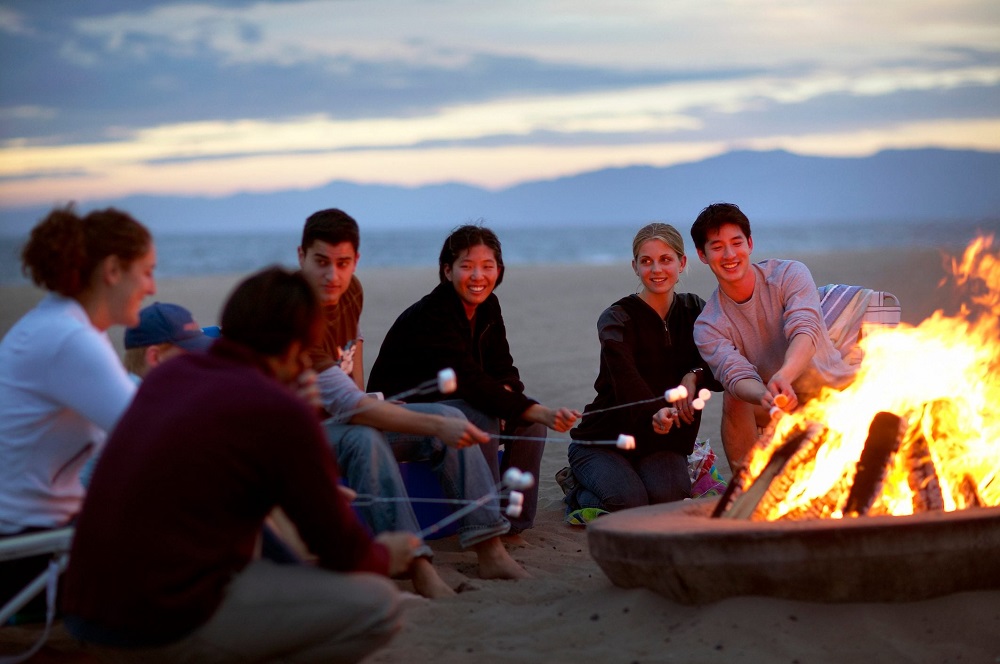
- Beach Camping: Coastal areas provide opportunities for swimming, fishing, and stargazing by the sea.
- Mountain Camping: High-altitude locations offer hiking challenges, fresh air, and panoramic views.
- Forest Camping: Dense woodlands provide shade, natural trails, and a serene environment for relaxation.
- Desert Camping: Unique landscapes and clear night skies make deserts ideal for stargazing and solitude.
Camping Activities for All Ages
Engaging in activities during camping trips enriches the outdoor experience:
- Hiking and Nature Walks: Explore trails, observe wildlife, and enjoy the scenery.
- Fishing and Boating: Ideal for lakes, rivers, and coastal areas.
- Campfire Stories and Music: Build camaraderie through storytelling and songs around the fire.
- Photography: Capture landscapes, wildlife, and memorable moments.
- Outdoor Games: Frisbee, scavenger hunts, or team sports entertain children and adults alike.
- Stargazing: Clear night skies away from city lights offer spectacular views of stars and planets.
Sustainable Camping Practices
Protecting the environment is a responsibility of every camper. Adopting eco-friendly practices ensures that natural areas remain pristine:
- Leave No Trace: Pack out all trash, avoid disturbing vegetation, and respect wildlife.
- Use Biodegradable Products: Choose eco-friendly soaps, detergents, and toiletries.
- Camp on Durable Surfaces: Set up tents on established sites to minimize soil erosion and habitat disturbance.
- Conserve Water: Use water sparingly and avoid polluting lakes or streams.
- Minimize Fire Impact: Use camp stoves instead of open fires where possible.
Tips for Beginner Campers
For those new to camping, following practical tips can make the experience enjoyable and stress-free:
- Start Small: Begin with a one or two-night trip near home to gain confidence.
- Choose a Simple Campsite: Use established campgrounds with basic amenities.
- Practice Setting Up Gear: Familiarize yourself with tents, stoves, and sleeping arrangements before the trip.
- Pack Extra Supplies: Always have backup food, water, and clothing in case of emergencies.
- Learn Basic Survival Skills: Skills like building a fire, purifying water, and navigating trails enhance safety and confidence.
Conclusion
Camping is an enriching outdoor activity that blends adventure, relaxation, and learning. By understanding different camping styles, investing in essential gear, planning meticulously, and practicing safety, campers can maximize their outdoor experience. Whether you are hiking through mountains, relaxing by a lake, or enjoying the serenity of a forest, camping provides an unmatched opportunity to connect with nature and enjoy memorable moments with family and friends. Following sustainable practices ensures that these natural spaces remain pristine for generations to come.
FAQs About Camping
- What is the best time of year for camping?
The best time varies by location but generally falls in spring and fall for moderate temperatures and fewer crowds. Summer is popular for family trips, while winter camping suits experienced adventurers. - How do I choose the right camping tent?
Consider the size, weather resistance, and portability. Waterproof materials, sturdy poles, and proper ventilation are essential features. - What food is ideal for camping trips?
Non-perishable items like canned goods, dried fruits, nuts, and energy bars are convenient. Plan simple, easy-to-cook meals and carry sufficient water. - How can I stay safe from wildlife while camping?
Store food securely, keep a safe distance from animals, and educate yourself on local wildlife behavior. Carry bear spray in regions with large predators. - Is glamping suitable for beginners?
Yes, glamping offers comfort and amenities like beds, electricity, and private bathrooms, making it ideal for first-time campers. - What should I do if it rains during camping?
Ensure your tent is waterproof, carry rain gear, and have a dry area for essential supplies. Plan indoor activities like reading, games, or storytelling around a shelter. - How do I make camping eco-friendly?
Follow Leave No Trace principles, use biodegradable products, minimize fire impact, and avoid disturbing natural habitats.